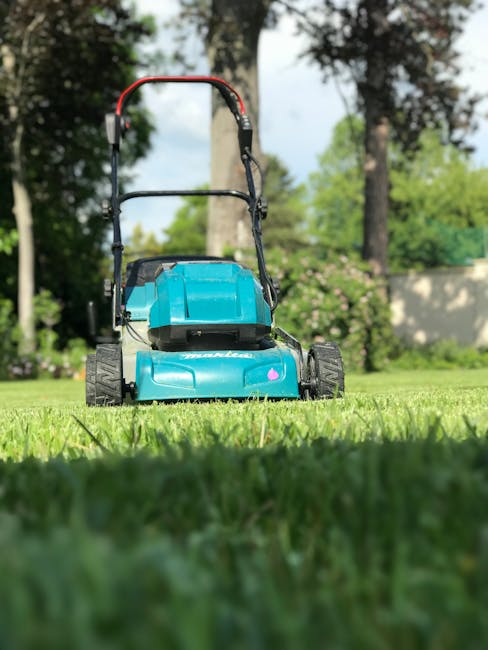
Barnes Bridge lawn care and gardener choices near Mortlake: a practical guide to choosing the right help
If you live around Barnes Bridge or just over in Mortlake, you already know the garden can change fast. One week the lawn looks tidy and easy; the next, it's patchy, damp at the edges, and somehow full of clippings again. Choosing the right help for Barnes Bridge lawn care and gardener choices near Mortlake is not just about getting the grass cut. It is about finding someone who understands local gardens, seasonal growth, access, drainage, and the kind of finish that actually lasts.
This guide walks through what to look for, how the work usually runs, which services matter most, and where people often go wrong. You will also find a simple checklist, a comparison table, and a few real-world pointers from the kind of jobs that come up all the time in South West London. To be fair, a lot of garden problems are easier to fix early than later.
Expert summary: The best gardener for this area is usually the one who offers reliable routine care, clear communication, proper insurance, and a sensible plan for lawn, hedge, and seasonal maintenance rather than just a quick tidy-up.
- Why local lawn care and gardener choice matters
- How the service usually works
- Benefits and practical advantages
- Who needs it and when
- Step-by-step guidance
- Expert tips for better results
- Common mistakes to avoid
- Tools, resources and recommendations
- Law, compliance and best practice
- Options, methods and comparison
- Case study
- Practical checklist
- Conclusion
- Frequently asked questions
Why Barnes Bridge lawn care and gardener choices near Mortlake Matters
Gardens near Barnes Bridge and Mortlake often have a mix of challenges that are easy to underestimate. You may have mature shrubs, narrow side access, shaded lawns, old soil, or a layout that needs careful handling rather than brute force. When a gardener knows the area, they are more likely to spot what matters quickly: where moss is building up, which hedge is getting leggy, and whether a lawn needs feed, scarifying, reseeding, or simply more regular cutting.
There is also a lifestyle issue. Many local homeowners do not want a once-a-season overhaul. They want a garden that stays presentable through the year, without becoming a weekend chore. That is where good lawn care and the right gardener choice make a real difference. The right person saves time, keeps the space usable, and reduces the stress that comes with trying to catch up after a few missed weeks.
In our experience, the biggest win is consistency. A garden handled a little and often tends to look better than one treated like a rescue mission every two months. Not glamorous, perhaps, but effective.
If you are comparing broader support, it can help to look at routine garden maintenance alongside more focused tasks such as lawn mowing and hedge trimming. The stronger the maintenance rhythm, the fewer surprises you get later on.
How Barnes Bridge lawn care and gardener choices near Mortlake Works
Most local garden services follow a practical pattern. First, the garden is assessed. Then the gardener decides what is needed now, what can wait, and what should be scheduled for another visit. That may sound simple, but it is exactly where good service starts. A tidy lawn cut means little if the edges are ragged, the hedge is overhanging, or the borders are choking the grass with debris.
A typical service might include mowing, edging, light weeding, leaf clearance, hedge shaping, pruning, and a general tidy. If the garden has become heavily overgrown, the work may start with a larger clear-out first. For those situations, a dedicated garden clearance visit can make sense before normal upkeep begins.
Local gardeners also need to think about timing. London gardens can dry out fast in bright spells, then become sodden again after a run of wet weather. Grass height, soil conditions, and foot traffic all affect how the lawn responds. A good gardener notices those things and adjusts the approach instead of forcing the same routine every time. That is the difference between tidy and thoughtful.
Some properties benefit from a wider refresh, especially if the outdoor space feels tired or awkward to use. In those cases, a gardener may work alongside landscape gardening or more structural landscaping work to improve shape, drainage, planting flow, or usability.
Key Benefits and Practical Advantages
The benefits of choosing the right gardener are wider than most people expect. Yes, the lawn looks better. That is obvious. But there is usually more going on underneath.
- Better curb appeal: A clean lawn and trimmed edges immediately make the whole property feel cared for.
- Less weed pressure: Regular maintenance helps prevent smaller issues from taking over borders and paths.
- Healthier grass: Cutting correctly, at the right height, gives grass a better chance to thicken up rather than thin out.
- Safer access: Clear paths, low-risk pruning, and tidy boundaries reduce trip hazards and awkward overgrowth.
- More usable space: A well-kept garden is simply nicer to sit in, eat in, or let children play in.
- Less stress: Once a reliable plan is in place, you stop worrying every time the weather changes.
There is a smaller but very real advantage too: fewer impulsive fixes. People often buy tools, cut too much off a hedge, then regret it two weeks later. Happens all the time. A good gardener steadies the ship.
If your garden includes larger structures or a decked area, it may be worth planning care around decking services so hard landscaping and soft landscaping do not end up fighting each other. That sounds dramatic, but the point is simple: surfaces and planting should work together.
Who This Is For and When It Makes Sense
This kind of local garden care is especially useful if you fall into one of these groups:
- Busy homeowners who want the garden to stay neat without losing a whole Saturday to it.
- Landlords and letting agents who need an outdoor space to present well between tenancies.
- Families who want safe, usable grass rather than a patchy, uneven mess.
- Older residents who would rather not handle heavy lifting, ladders, or repetitive mowing.
- New homeowners who have inherited an overgrown plot and do not know where to begin.
- People preparing to sell and wanting the outside to make the right first impression.
It also makes sense when the season changes. Spring is usually the obvious one, but late summer can be just as important. That is often when lawns show wear, hedges look tired, and borders need a reset. Early autumn can be a smart moment for repairs and preparation too. Not everything has to be done in a rush.
For gardens that need heavier help, some people start with the maintenance basics and then add specialist support such as tree lopping and removal where safety, light, or space is being affected.
Step-by-Step Guidance
- Look at the garden honestly. Check the lawn, borders, hedges, access points, and any problem areas. Do not just look at the obvious patch in the middle.
- Decide what you need most. Is the priority lawn mowing, a full tidy, hedge shaping, weed control, or a bigger clear-up? A vague request often leads to vague results.
- Choose between routine care and one-off help. If the garden gets messy quickly, a regular plan will usually be better value. If it has been neglected for a while, start with a reset.
- Ask what is included. Some gardeners focus on mowing and clipping; others include edging, sweeping, and waste collection. Clarity matters.
- Check practical details. Look at access, parking, waste removal, timing, and whether there are any delicate plants or surfaces to avoid.
- Discuss the finish you want. Short, formal lawn? Softly kept garden? Seasonal tidy? Say it plainly. Good gardeners like clear expectations.
- Review and refine. After the first visit, look at what worked. If the lawn was cut too short or the borders were not touched, say so early.
A lot of people skip step one and jump straight to price. That usually backfires. Better to know exactly what the garden needs first, then compare properly.
If you want to understand the wider range of tasks that may be bundled together, start with the services overview and then narrow it down to the areas that matter most for your space.
Expert Tips for Better Results
Here are a few tips that make a noticeable difference in practice:
- Cut little and often. Lawn health is usually better with steady care than occasional hard cuts.
- Keep edges honest. A neat edge can make even a modest lawn look twice as tidy.
- Do not overwater blindly. If the soil is already holding moisture, extra watering can do more harm than good.
- Leave room for seasons. A garden in April should not be treated the same as one in August.
- Match the gardener to the job. Some jobs are simple mowing jobs; others need broader maintenance skill.
- Watch the clippings. Heavy cuttings left on wet grass can smother the lawn and create a mess no one wants.
One useful habit is to walk the garden after each visit, preferably while the light is still decent. You will spot patchy corners, low branches, or missed edges much more easily. And yes, that means the gardener can still fix it while the issue is fresh.
For many homeowners, it also helps to choose a provider who understands responsible disposal and greener working habits. A sensible approach to waste handling can be checked through recycling and sustainability practices, especially if you care about how cuttings and green waste are handled.
Common Mistakes to Avoid
People make a few predictable mistakes when hiring garden help around Barnes Bridge and Mortlake. None of them are unusual, but they can make a decent service feel disappointing.
- Choosing only on price. The cheapest option is not always the best value if the finish is poor or the service is unreliable.
- Assuming all gardeners do the same thing. Some are lawn-focused, some are maintenance-led, and some are better suited to bigger projects.
- Ignoring access issues. Narrow side entrances, shared passages, or limited parking can affect timing and effort.
- Not agreeing on waste removal. A tidy cut that leaves piles behind is only half the job.
- Letting the lawn get too long between visits. Once grass is overgrown, the result is often rougher and more stressful to correct.
- Forgetting about hedges and borders. A nice lawn can still look neglected if the surrounding growth is out of control.
There is also the classic mistake of expecting miracles from one visit. Sometimes a garden genuinely needs a few sessions to settle back into shape. That is normal. Not a problem, just reality.
Tools, Resources and Recommendations
You do not need to be a gardening expert to make a good decision, but it helps to know the basic tools and service types involved.
| Need | Best suited to | What to ask about | Typical outcome |
|---|---|---|---|
| Routine lawn care | Homes with manageable grass growth | Cut height, edging, clippings | Cleaner, more even lawn presentation |
| Full garden tidy | Gardens with mixed overgrowth | Weeding, pruning, clearance, waste removal | Visible reset and better structure |
| Hedge work | Properties with boundary planting | Shape, height, timing, debris handling | Sharper outline and more light |
| Wider improvements | Gardens needing layout changes | Planting, surfacing, access, drainage | Better long-term usability |
Practical recommendations are straightforward: keep a note of what you want done, take a few quick photos before the first visit, and decide whether you need a one-off tidy or ongoing support. If a garden is large or difficult, a site visit or detailed discussion is often more useful than trying to solve everything by message. Saves everyone a headache, really.
When comparing providers, it can also help to review how they describe their pricing and quotes so you understand what is included and what may be extra.
Law, Compliance, Standards, or Best Practice
For this topic, the legal side is less about obscure rules and more about sensible, professional practice. Gardeners working on private property should operate safely, communicate clearly, and avoid creating unnecessary risk. That includes using equipment responsibly, handling waste properly, and being careful around trees, heights, and sharp tools.
Homeowners do not usually need to know every technical detail, but a few points matter:
- Insurance matters: A gardener should be able to explain their insurance and safety approach in plain English.
- Health and safety is not optional: Even a simple hedge trim can become risky if ladders, tools, or uneven ground are involved.
- Waste disposal should be lawful and responsible: Green waste should not be dumped or left where it causes problems.
- Terms should be clear: It is fair to know what happens if weather delays the visit or if access is restricted.
Best practice also includes being honest about scope. If the job turns out to be larger than expected, the gardener should explain that before going ahead. That is basic professionalism, but it is amazing how often it gets overlooked.
It is worth checking supporting pages such as health and safety policy, insurance and safety, and terms and conditions if you want a fuller picture of how a service is run.
Options, Methods, or Comparison Table
Different gardens need different approaches. A quick comparison helps make the choice clearer.
| Approach | Best for | Pros | Trade-offs |
|---|---|---|---|
| One-off lawn tidy | A garden that has gone a bit wild | Fast reset, immediate improvement | Does not prevent future overgrowth |
| Regular garden maintenance | Most homes wanting consistency | Steady results, easier budgeting, less stress | Needs commitment over time |
| Garden clearance first | Heavily overgrown spaces | Removes the backlog and makes future care easier | Usually takes more effort at the start |
| Landscape-led improvement | Spaces with poor layout or tired features | Can change how the garden functions | More planning involved |
Truth be told, many gardens need a mixture. A strong service will not force everything into a single box. It will begin where the garden actually is, not where somebody wishes it were.
Case Study or Real-World Example
A typical local example is a small rear garden near the Barnes Bridge side of Mortlake: a lawn shaded by fencing on one side, a hedge creeping a little too far across the path, and borders full of clippings from a previous tidy-up. Nothing dramatic. Just one of those gardens that slowly stops feeling welcoming.
The first visit focused on mowing, edging, lifting debris, and cutting back the hedge to restore light. The second visit, a couple of weeks later, dealt with the lawn again and cleared the borders properly. By the end of that short cycle, the space looked calmer, brighter, and much easier to keep on top of. The homeowner said the biggest change was not the look alone, but the feeling of walking outside and not immediately seeing another job to do. Fair enough.
That is usually how good local gardening works. Not flashy. Just a steady return to order.
Practical Checklist
Use this before booking a gardener or lawn care visit:
- Do I know whether I need one-off help or regular maintenance?
- Have I checked the lawn, hedges, borders, and access points?
- Do I understand what is included in the visit?
- Have I asked about waste removal and clippings?
- Is there anything fragile, private, or awkward the gardener should know?
- Have I looked at broader services if the garden needs more than mowing, such as garden maintenance or clearance?
- Do I know how the service handles safety, insurance, and timing?
- Have I set a realistic expectation for the first visit?
If you can tick most of those off, you are already in a much better position than someone booking blind. Small effort up front, much smoother later.
Conclusion
Choosing the right help for Barnes Bridge lawn care and gardener choices near Mortlake comes down to fit, not just availability. The best gardener for your space will understand the local conditions, respect your time, and know when a lawn needs simple mowing versus a broader maintenance plan. That balance matters more than flashy promises.
Whether your garden needs a neat seasonal tidy, a steady maintenance rhythm, or a bigger recovery job, the smartest move is to start with what the space actually needs now. Then build from there. Simple enough, but it works.
Get a free quote today and see how much you can save.
Frequently Asked Questions
What should I look for when choosing a gardener near Barnes Bridge and Mortlake?
Look for clear communication, relevant experience, proper insurance, and a service that matches the size and condition of your garden. A good gardener will ask practical questions rather than just quoting quickly and moving on.
Is regular lawn care better than one-off mowing?
For most gardens, regular care gives better results because the grass stays manageable and healthier-looking. One-off mowing can help in the short term, but it does not prevent the lawn from getting scruffy again.
How often should a local lawn usually be cut?
That depends on the season, grass type, and how fast the garden grows. In periods of strong growth, more frequent cuts are usually better. In slower months, the schedule can be eased off a bit.
Do I need garden clearance before starting lawn care?
If the garden is heavily overgrown or full of debris, yes, clearance first often makes sense. It gives the mower a proper working area and makes future maintenance much easier.
What is the difference between a gardener and a lawn care specialist?
A gardener usually handles a wider set of tasks such as hedge trimming, weeding, pruning, and general maintenance. A lawn care specialist may focus more narrowly on grass health and cutting. Some providers do both.
How do I know if my garden needs landscaping rather than just maintenance?
If the garden feels awkward to use, has poor layout, drainage issues, or tired hard surfaces, landscaping may be worth considering. If it mainly needs tidying and upkeep, routine maintenance is probably enough.
Should I ask about waste removal?
Yes, definitely. It is one of those details people forget until they are staring at a pile of clippings. Ask whether the service includes removal or whether cuttings are left for collection.
What should I do before the first gardener visit?
Clear obvious access routes, note any sensitive plants or surfaces, and decide what you want most from the visit. A few photos can help too, especially if the garden has tricky corners or hidden problem spots.
Can hedge trimming be included with lawn care?
Often, yes. Many homeowners prefer to combine the work so the whole garden looks finished rather than only the grass being tidy while the rest feels left behind.
What if my garden is small but awkward to access?
That is still manageable, but it should be explained upfront. Narrow access, shared paths, or limited parking can affect timing and the equipment used, so it is better to be clear from the start.
How can I compare quotes fairly?
Compare what is actually included, not just the headline number. A lower price may leave out edging, clipping removal, or follow-up work. Clear quotes and pricing information make this much easier.
Is there a better time of year to book garden maintenance?
Spring and late summer are both useful times, but the right timing depends on what your garden needs. If growth is getting away from you, it is better to act when the issue appears rather than waiting for a perfect season.
How do I know a gardener works safely?
Ask about insurance, safe equipment use, and how they handle tasks like ladders, pruning, or waste. Reputable providers should be comfortable explaining their insurance and safety approach without making it complicated.
What is the smartest next step if I am still unsure?
Start with a conversation about the garden's current condition and your priorities. Even a short discussion can reveal whether you need mowing, maintenance, clearance, or a broader outdoor plan. That first bit of clarity makes everything easier.
If you want the outside of your home to feel calmer, cleaner, and easier to live with, a good local gardener can make that happen without the drama. And honestly, that is what most people want in the end.