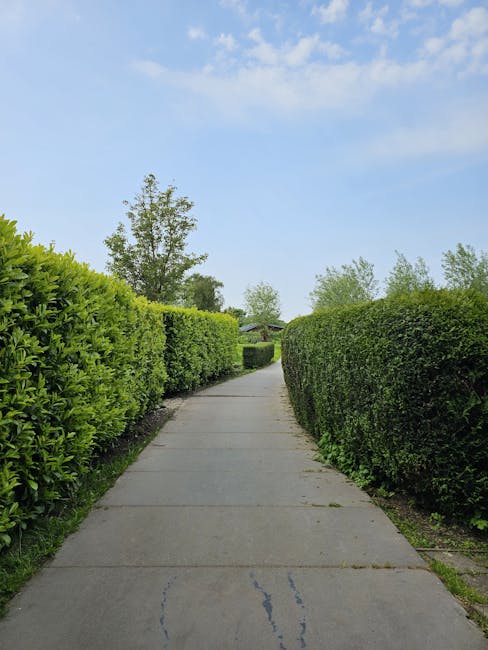
Richmond Park boundary hedge services for Mortlake homes
If you live in Mortlake and your garden backs onto, faces toward, or simply sits near the Richmond Park boundary, hedge care is not just a tidy-up job. It affects privacy, kerb appeal, light, safety, and how your whole outdoor space feels day to day. Richmond Park boundary hedge services for Mortlake homes are about more than cutting greenery back by a few inches. They are about keeping hedges healthy, manageable, and appropriate for a boundary that often needs a bit of extra attention.
In practice, that can mean regular hedge trimming, shaping, reduction, overgrowth control, and careful maintenance around fences, paths, and shared edges. It can also mean knowing when a hedge is becoming too large, too woody, or just a bit of a nuisance. To be fair, that happens faster than most people expect. One season it looks fine; the next, it is swallowing the light from the kitchen window and leaning over the pavement like it owns the place.
This guide breaks down how boundary hedge services work, why they matter for Mortlake homes, what to expect from a good service, and how to avoid the common mistakes that lead to stress, patchy results, or avoidable costs. If you want a more joined-up view of garden care, you may also find our services overview useful, especially if your hedge work is part of a wider maintenance plan.
Table of Contents
- Why Richmond Park boundary hedge services for Mortlake homes Matters
- How Richmond Park boundary hedge services for Mortlake homes Works
- Key Benefits and Practical Advantages
- Who This Is For and When It Makes Sense
- Step-by-Step Guidance
- Expert Tips for Better Results
- Common Mistakes to Avoid
- Tools, Resources and Recommendations
- Law, Compliance, Standards, or Best Practice
- Options, Methods, or Comparison Table
- Case Study or Real-World Example
- Practical Checklist
- Conclusion
- Frequently Asked Questions
Why Richmond Park boundary hedge services for Mortlake homes Matters
Boundary hedges do a lot of work quietly in the background. They soften hard lines, make gardens feel enclosed, and help define the edge between private space and the outside world. Around Mortlake, where homes can sit close to busy routes, footpaths, and exposed garden boundaries, that matters even more. A hedge that is left unchecked can become a visual barrier, a practical nuisance, or a maintenance headache all at once.
There is also a locality angle. Homes close to larger green spaces, boundary lines, and established residential streets often deal with mixed hedge types: evergreen screening hedges, older mixed planting, fast growers that need frequent control, and mature shrubs that have turned into proper walls of foliage. The right service keeps those hedges looking deliberate rather than accidental. That sounds simple, but it is exactly where many gardens go wrong.
A good boundary hedge service should balance shape, health, and restraint. Cut too hard and you can stress the plant. Leave it too long and it becomes heavy, unbalanced, and harder to recover. The sweet spot is usually somewhere in the middle, with timely work and a clear plan. You know the feeling when a hedge looks neat from one angle and chaotic from another? That is usually a sign it has been trimmed, but not actually managed.
For homeowners, the practical benefits are immediate: cleaner edges, better light, less spillover, easier access for bins and paths, and fewer awkward conversations with neighbours. For gardens near Richmond Park or similar boundary-facing locations, this is not cosmetic fuss. It is part of keeping the property functioning properly.
Expert summary: boundary hedge work is most effective when it is planned, seasonal, and proportionate to the plant's growth habit. Good trimming is not just about cutting; it is about setting the hedge up to behave well next time too.
How Richmond Park boundary hedge services for Mortlake homes Works
Most hedge services follow a fairly sensible process, though the details change depending on the hedge species, height, access, and condition. In an ideal world, the work starts with an assessment rather than a guess. That assessment should consider whether the hedge needs light trimming, a formal reshaping, a reduction in bulk, or selective clearance to restore boundaries and sightlines.
For many Mortlake homes, the service often begins with a site visit or a clear description of the hedge from the homeowner. A good gardener will look at growth density, height, width, nesting or wildlife concerns, and whether the hedge sits beside paving, fencing, decking, or a narrow side return. If the hedge is tangled with other work, such as lawn edges or a larger tidy-up, it can be smart to combine services with garden maintenance or even garden clearance when the area is badly overgrown.
Then comes the actual work. In simple terms, a boundary hedge service may include:
- cutting back new growth to maintain shape
- reducing width or height where the hedge has outgrown its space
- removing dead, damaged, or weak branches
- clearing debris from paths, borders, and lawns
- re-establishing clean, straight lines along property edges
- checking that the hedge is still balanced and not leaving bare patches
Many homeowners think all hedge work is the same. It is not. A box hedge, laurel hedge, beech hedge, conifer screen, or mixed boundary hedge all behave differently. Some tolerate frequent cutting. Others need a more careful, less aggressive approach. That is where experience matters. It saves you from the classic mistake of turning a mature hedge into a sad-looking green stump with ambition.
If trees are involved near the boundary, or if branches are crossing into the garden and affecting the hedge line, then a broader inspection may be useful. In some cases, a provider may suggest tree lopping and removal where overhanging trees are limiting hedge health or blocking light. And if your whole boundary area is being redesigned, it may also be worth looking at landscaping or landscape gardening to make the edge of the garden work better as a whole.
Key Benefits and Practical Advantages
Let's face it, people usually notice hedge work when it goes wrong or when it has been left too long. When it is done well, it quietly improves nearly everything around it. Here are the most useful benefits for Mortlake homes near boundary hedges.
- Better privacy: a well-managed hedge screens your garden without becoming bulky or oppressive.
- More light: trimming back the right sections can make a huge difference in kitchens, patios, and smaller rear gardens.
- Cleaner boundaries: the garden feels sharper and more intentional when the hedge line is controlled.
- Healthier growth: regular maintenance can reduce the chance of woody, uneven, or stressed growth.
- Less neighbour friction: keeping hedges in order helps avoid spillover and awkward edge disputes.
- Safer access: paths, gates, and side passages are easier to use when hedge growth does not crowd them.
There is a practical rhythm to this. A hedge trimmed regularly is easier and cheaper to maintain than one left alone for two years and then hacked at. One tidy cut now is worth three rescue jobs later. That sounds a bit dramatic, but it is true in real gardens. Overgrown hedges take more labour, more waste removal, and more care to bring back to shape.
If you are already planning other seasonal work, such as mowing or general upkeep, it may be sensible to fold hedge care into a broader schedule with lawn mowing and hedge trimming. That way, the garden stops looking like a collection of separate jobs and starts looking like one managed space.
Who This Is For and When It Makes Sense
This kind of service suits a wide range of Mortlake homeowners, but especially those with boundary hedges that are doing one or more of the following:
- blocking sunlight into a room or patio
- spilling into a neighbour's side
- becoming too tall to manage safely from ground level
- making entrances, bins, or side access awkward
- losing shape and looking patchy
- growing unevenly because part of the hedge gets more light than the rest
It is also relevant if you have recently moved into a property and inherited an "interesting" hedge situation. You know the one: nobody is quite sure when it was last cut, the base is thin, the top is a jungle, and the garden has a vaguely apologetic look. Not ideal. A proper assessment can help decide whether the hedge needs gentle restoration or a more serious reshaping.
This service makes sense in a few common moments:
- before spring growth starts to run away with itself
- after a strong growing season, when the hedge has bulked up
- before entertaining, letting, or selling the property
- after moving in and discovering the boundary is messier than expected
- when access, safety, or neighbour relationships are being affected
If your garden has become cluttered as well as overgrown, a hedge job can pair neatly with garden clearance. That is especially useful where the hedge is only part of a wider clean-up. Sometimes the quickest way to improve a garden is simply to stop trying to solve it in tiny pieces.
Step-by-Step Guidance
Here is a practical way to think about the process from first contact to finished hedge. It is straightforward, but the order matters.
1. Assess the hedge honestly
Start by looking at the hedge from inside and outside the garden. Check its height, spread, density, and any gaps. Notice whether it is healthy at the base or just a green curtain on top. That simple check tells you whether you are dealing with maintenance or recovery.
2. Decide the purpose of the hedge
Is it for privacy, screening, boundary definition, or pure appearance? A hedge can do all four, but one usually matters more than the others. If privacy is the priority, you may tolerate a fuller profile. If space is tight, you will want a leaner line.
3. Choose the right type of work
Not every hedge needs the same cut. Some need trimming to maintain a formal look. Others need reduction because they have outgrown the available space. A few need selective thinning so light can reach the lower stems. If you are not sure, ask for the difference to be explained in plain English.
4. Schedule at the right time
Timing depends on species and garden conditions, so there is no single perfect date for every hedge. That said, it is usually best not to wait until the hedge has become a structural problem. Light, regular work is almost always easier to live with than emergency cutting. Mid-season jobs often feel a lot less painful than full-scale rescue missions.
5. Protect surrounding features
Before cutting begins, make sure nearby lawn edges, decking, path surfaces, and planting are protected where possible. If you have a larger outdoor layout, a provider may coordinate the hedge work with decking services or broader landscape gardening so the boundary area feels coherent rather than patched together.
6. Finish cleanly
A good job does not end when the last cut is made. Green waste should be cleared, edges tidied, and the final shape checked from different angles. The hedge should look like it belongs to the property, not like it has just survived a mild argument.
Expert Tips for Better Results
Here are a few things that make a real difference, especially with boundary hedges that are visible from multiple angles.
- Trim a little and often: regular cuts usually give a cleaner, denser result than infrequent drastic reductions.
- Watch the base: a hedge that is thick at the top and bare below often needs better light exposure and more balanced shaping.
- Work with the species: some hedges recover well from heavier cuts, others really do not. A cautious approach can save years of frustration.
- Use the boundary itself as a guide: a fence line, wall, or edge path can help keep the shape honest and avoid drift.
- Keep an eye on drainage and soil condition: poor roots make poor hedges. Sometimes the issue is not the top growth at all.
- Plan for waste removal: hedge clippings build up fast, and they are bulky. Better to have that sorted in advance.
One small but useful observation: in gardens with limited side access, the logistics can be half the job. A neat hedge is great, but if the clippings have to be ferried out through a narrow passage in twelve trips, everyone gets grumpy. That bit matters more than people think.
For homeowners who like transparent service expectations, it can be helpful to review pricing and quotes before booking, and to understand practical service standards through insurance and safety information as well.
Common Mistakes to Avoid
Most hedge problems are avoidable. They usually come from delay, overconfidence, or trying to save money in the wrong place. Happens all the time.
- Waiting too long: once a hedge becomes woody and too large, the work becomes heavier and the result less tidy.
- Cutting too hard all at once: aggressive reductions can leave bare patches and stress the plant.
- Ignoring the lower growth: a hedge that looks fine at eye level can be weak at the base.
- Forgetting the boundary line: if the hedge is edging over a fence or path, trim decisions need to respect the actual space available.
- Not considering access: tight Mortlake side returns, parked cars, bins, and narrow gates can complicate the work quickly.
- Mixing up trimming and reduction: they are not the same thing, and the wrong one can create avoidable damage.
Another common issue is assuming every gardener will approach a boundary hedge the same way. They will not. Some focus on speed; others focus on structure. The best result usually comes from someone who can explain why they are making each cut, not just that the hedge now "looks neat enough".
Tools, Resources and Recommendations
You do not need a shed full of specialist equipment to understand what good hedge work looks like, but it helps to know the basics. A competent service may use hand shears for fine finishing, hedge trimmers for efficient shaping, loppers for thicker stems, and pruning tools for selective cuts. On taller or harder-to-reach hedges, safe access equipment may be needed, and that should never be improvised.
For homeowners, a few simple resources make decisions easier:
- Photographs from different angles: useful when explaining the current state of the hedge.
- Measurements of height and width: helps avoid misunderstandings about what "a bit lower" means.
- A note on desired privacy level: important if the hedge sits close to seating areas or windows.
- Past maintenance dates, if known: even a rough memory helps.
- Any neighbour boundary concerns: worth flagging early rather than halfway through the job.
If sustainability matters to you, ask how clippings and green waste are handled. Responsible disposal and recycling practices are part of a professional service, and you can see how this is approached through recycling and sustainability. Not glamorous, perhaps, but very relevant when a few hedge cuts turn into a surprising mountain of green waste.
Law, Compliance, Standards, or Best Practice
Boundary hedge work sits in a practical space where garden care, neighbour relations, and safety all meet. While the exact obligations can depend on the situation, homeowners should be aware of a few sensible principles.
First, hedges should be managed so they do not create avoidable hazards, obstruct paths, or cause damage by encroaching into shared or adjacent spaces. Second, if your hedge is near a boundary, it is wise to handle access and trimming carefully and communicate where needed. Third, any work involving ladders, elevated cutting, or awkward access should be done with proper safety precautions. That sounds obvious, but people do risky things with hedge trimmers when they get impatient.
For professional services, good practice normally includes:
- clear communication about scope before work starts
- appropriate equipment for height and access
- basic protection of surrounding surfaces and planting
- safe handling and disposal of cut material
- honest advice if the hedge needs recovery rather than cosmetic trimming
If you want reassurance about business practices, a provider should be able to explain relevant policies clearly, including health and safety policy information and how customer concerns are handled through a clear complaints procedure. Those pages are not just formalities. They are a sign that the service takes the basics seriously.
Options, Methods, or Comparison Table
Choosing the right approach depends on the hedge's condition and what you want it to do. This quick comparison may help.
| Method | Best for | Pros | Watch out for |
|---|---|---|---|
| Routine trimming | Healthy hedges that need shape and control | Neat finish, manageable growth, lower long-term effort | Not enough if the hedge is already very overgrown |
| Height or width reduction | Hedges that have outgrown the boundary space | Restores usable space and light | Must be done carefully to avoid shock or bare areas |
| Selective pruning | Uneven or partially dense hedges | Improves structure and health | Slower and more skill-dependent |
| Full garden tidy-up with hedge work | Messy borders, overgrowth, and mixed maintenance needs | Efficient, visually transformative, saves repeat visits | May need more planning and waste handling |
In many Mortlake gardens, the best option is not a single isolated cut but a combined maintenance visit. That is especially true when the hedge sits alongside borders, lawns, or paths that are also in need of attention. A linked approach can feel a bit more orderly. Less patchwork, more plan.
Case Study or Real-World Example
Here is a realistic example from the kind of work this topic usually involves.
A Mortlake homeowner had a mature boundary hedge running along the back and side edge of a small garden. From inside the house, the hedge had started to block afternoon light into the kitchen and made the side path feel narrow. From the outside, it looked uneven: thicker at the top, sparse lower down, and slightly leaning toward the boundary line. Nothing dramatic, just increasingly irritating.
The first step was to decide whether the hedge needed a cosmetic trim or a proper reduction. After inspection, the sensible choice was a measured reshaping rather than a heavy cut. The top was eased back, the sides were brought into line, and the lower section was opened up slightly to encourage healthier growth where it had become thin. The surrounding area was cleared, and the hedge line was made more consistent with the fence and path.
The result was not flashy. That is the point. The garden simply felt lighter, cleaner, and easier to use. The homeowner could see the boundary clearly again, and the hedge looked intentional rather than apologetic. Those quieter improvements are often the most satisfying ones. You notice them every time you open the back door.
In a case like that, the hedge work might also sit neatly alongside longer-term garden maintenance, so the hedge does not slip back into the same condition a few months later.
Practical Checklist
Before booking or starting hedge work, use this simple checklist. It keeps the conversation clear and helps avoid misunderstandings.
- Confirm what the hedge is for: privacy, screening, shaping, or reduction
- Check whether the hedge is healthy, sparse, or heavily woody
- Measure or estimate height, width, and access points
- Note any nearby fences, decking, paths, sheds, or planting
- Decide whether you also need lawn, clearance, or wider garden help
- Ask how cuttings and waste will be removed
- Clarify whether the work is a trim, reduction, or fuller restoration
- Check whether neighbours may be affected by access or boundary growth
- Make sure the provider can explain safety and insurance basics
- Plan the next maintenance visit before the hedge becomes unruly again
Quick takeaway: the best boundary hedge result is usually the one that solves the garden's real problem, not just the visible one.
If you are comparing providers or trying to budget sensibly, it is worth reading pricing and quotes alongside the service details. Clear pricing is often a good indicator of a clear working process too.
Conclusion
Richmond Park boundary hedge services for Mortlake homes are about much more than keeping things neat. They help protect privacy, restore light, define boundaries, and make outdoor space easier to live with. Whether your hedge is a modest screen or a substantial green wall, the goal is the same: keep it healthy, manageable, and suited to the property.
The best results come from timely care, realistic expectations, and a method that matches the hedge's condition. Not every hedge needs a dramatic intervention. Some just need a patient, well-judged trim. Others need a deeper reset. The important thing is to treat the hedge as part of the garden's structure, not a chore to be ignored until it becomes a problem. That mindset saves money, time, and a fair bit of frustration.
Get a free quote today and see how much you can save.
If you want to understand the people behind the service before booking, take a moment to read about us and browse the services overview. It is always easier to trust a garden team when you know how they think, not just what they cut.
Frequently Asked Questions
What are Richmond Park boundary hedge services for Mortlake homes?
They are professional hedge care services for homes near the Richmond Park boundary in Mortlake, focused on trimming, shaping, reducing, and maintaining boundary hedges so they stay healthy and manageable.
How often should a boundary hedge be trimmed?
That depends on the hedge type, its growth rate, and how formal you want it to look. Fast-growing hedges usually need more frequent attention, while slower varieties can often go longer between visits.
Is a hedge trim the same as a hedge reduction?
No. Trimming is about keeping the shape neat, while reduction involves lowering height or width because the hedge has outgrown its space. Reduction needs more care and judgement.
Can an overgrown hedge be brought back into shape?
Often, yes, but the best method depends on how far it has gone. Some hedges recover well after careful reduction; others need a more gradual approach to avoid bare patches or stress.
What if my hedge is blocking light into the house?
That is one of the most common reasons homeowners book hedge services. A careful cut can improve light levels, but it should be done without damaging the hedge's long-term structure.
Do I need to worry about the boundary line?
Yes, especially if the hedge sits close to a fence, wall, shared edge, or narrow path. Good hedge work respects the usable space and avoids creating future disputes or access problems.
Can hedge services be combined with other garden work?
Absolutely. In many cases it makes sense to combine hedge work with lawn mowing, garden clearance, or general garden maintenance for a more complete result.
What should I ask before booking hedge work?
Ask what type of work is being done, whether the hedge needs trimming or reduction, how waste is removed, what access is required, and whether the provider can explain the likely effect on the hedge's health.
Are tall hedges more difficult to maintain?
Yes, mainly because access and safety become more important. Taller hedges may need specialised equipment, more time, and a more careful approach than low boundary hedges.
How do I know if my hedge needs professional help?
If it is outgrowing the boundary, blocking light, looking uneven, or becoming awkward to manage from ground level, professional help is usually worth considering. That is especially true if the hedge has not been maintained for a while.
What happens to the hedge cuttings?
They should be collected and disposed of properly. A professional service will usually factor this in, and many homeowners like to confirm the waste handling plan before the work starts.
Where can I check service standards, safety, or payment details?
You can review practical information through pages such as health and safety policy, insurance and safety, and payment and security for added reassurance.
A well-kept boundary hedge is a small thing that changes how a home feels every single day. Quietly, steadily, it makes the place easier to live in - and that, honestly, is no small win.