Same day emergency gardeners Mortlake for storm damage
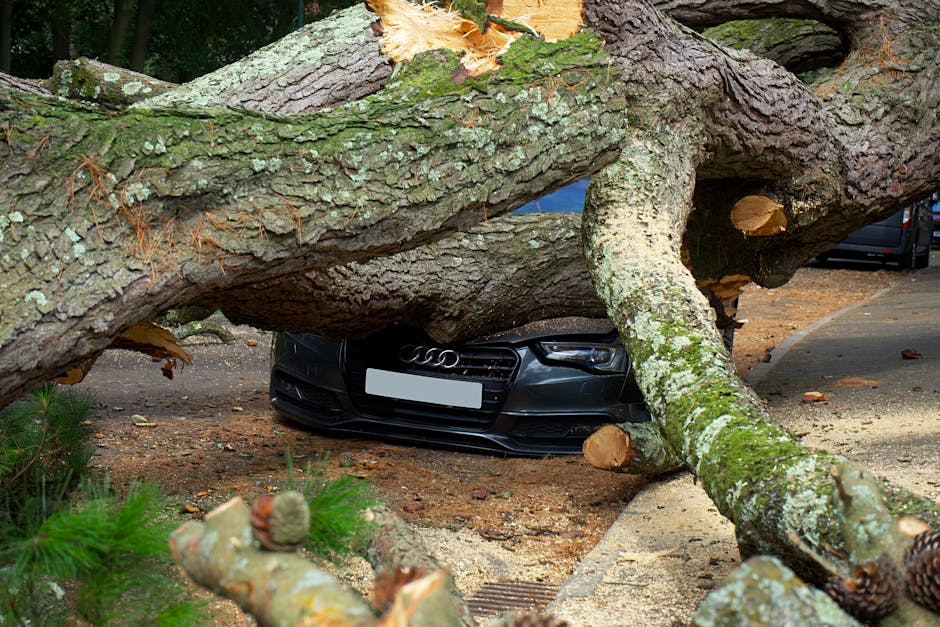
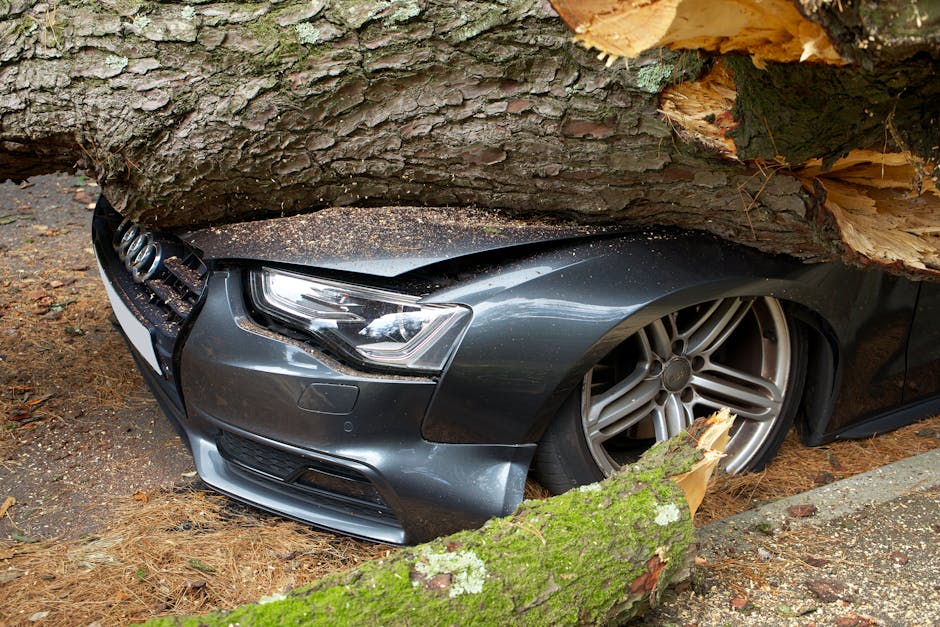
When a storm hits, a garden can go from calm to chaotic in minutes. Broken branches, flattened borders, scattered debris, a fence leaning at a worrying angle - it is a mess, and sometimes it is more than a mess. If you need same day emergency gardeners Mortlake for storm damage, the main goal is simple: make the space safe quickly, clear the immediate hazards, and prevent a small problem turning into a much bigger one overnight.
In practical terms, emergency garden help is about fast response, sensible triage, and tidy recovery. Not every storm-damaged garden needs a full redesign. Sometimes you just need someone to turn up, assess what is unstable, remove what is dangerous, and leave you with a manageable plan for the rest. This guide explains how that works, what to expect, what to avoid, and how to decide whether same-day help is the right call. If you want a broader look at available services, you can also review the services overview.
Table of Contents
- Why Same day emergency gardeners Mortlake for storm damage Matters
- How Same day emergency gardeners Mortlake for storm damage Works
- Key Benefits and Practical Advantages
- Who This Is For and When It Makes Sense
- Step-by-Step Guidance
- Expert Tips for Better Results
- Common Mistakes to Avoid
- Tools, Resources and Recommendations
- Law, Compliance, Standards, or Best Practice
- Options, Methods, or Comparison Table
- Case Study or Real-World Example
- Practical Checklist
- Conclusion
- Frequently Asked Questions
Why Same day emergency gardeners Mortlake for storm damage Matters
Storm damage in a garden is not just a visual issue. It can create immediate risks that affect people, pets, neighbours, and property. A half-split branch can drop without much warning. A blown-over fence panel can snag on cables or block access. Soggy soil can collapse underfoot, especially around paths, raised beds, and decking edges. That is why fast action matters.
In Mortlake, where gardens often sit close to houses, side returns, and shared boundaries, a storm can cause knock-on problems very quickly. You may need access restored for bins, deliveries, or simply to get out the back door without stepping over debris. You may also want to protect lawns, borders, and timber features before damp and wind make the damage worse. To be fair, once the rain has stopped and the wind dies down, it is tempting to wait and see. But waiting is not always the safest call.
Emergency garden support is especially valuable because it gives you a practical first response. It is not about overdoing it. It is about removing hazards, stabilising the space, and helping you breathe again. That little bit of order can make a chaotic situation feel manageable.
Expert summary: Same-day storm-damage gardening is best used for safety, access, and urgent tidy-up work first. Cosmetic improvements can wait. Safety cannot.
How Same day emergency gardeners Mortlake for storm damage Works
The process is usually straightforward, though the exact response depends on the damage and access conditions. A good emergency gardener will first want to understand what happened, what has fallen or shifted, and whether anything is unsafe to approach. If a tree looks unstable or a branch is hanging overhead, the priority changes immediately.
Here is how the work normally unfolds in practice:
- Initial call or enquiry. You explain the storm damage, the urgency, and whether anyone is in immediate danger. A brief description often helps more than people realise.
- Rapid assessment. The gardener identifies likely hazards, access points, and the equipment needed. If the issue is beyond routine garden work, they may advise caution or a specialist route.
- Same-day attendance where possible. The team arrives with the right tools for cutting, clearing, securing, and removing debris.
- Hazard-first clearance. Anything unstable, sharp, obstructive, or dangerous is dealt with first. This could include fallen branches, split hedges, scattered garden waste, or collapsed planting supports.
- Temporary tidy and stabilisation. The area is made safer and more usable, even if full restoration is a later job.
- Next-step advice. You are told what needs follow-up, such as deeper tree work, boundary repairs, or longer-term garden recovery.
In a genuine emergency, a fast response is about judgement as much as speed. If there is a large fallen limb resting on a roof or tangled in a fence, the safest move may be careful containment rather than enthusiastic cutting. No one needs heroics. Just a calm head and the right approach.
Key Benefits and Practical Advantages
Same-day emergency garden help has a few obvious benefits, but the real value often shows up in the less glamorous details. Once the dangerous bits are out of the way, you can actually move around the garden again. That matters more than people expect.
- Immediate safety improvement. Loose branches, broken canes, and debris are removed before they cause injury.
- Reduced risk of further damage. Clearing waterlogged debris and unstable materials can stop the issue spreading.
- Quicker access. Paths, gates, driveways, and rear entrances are made usable again.
- Less stress. When the garden looks under control, the whole situation feels less overwhelming. Funny how that works.
- Better protection for planting and hard landscaping. Storm debris can crush beds, scratch decking, and block drainage if left too long.
- Clear next steps. You get a realistic view of what needs urgent attention and what can wait.
If the storm has affected more than one area, it can also be useful to think in layers. For example, debris clearance may come first, then hedge recovery, then lawn repair, and only after that any broader landscaping adjustments. If you want ongoing care after the emergency phase, a return visit for garden maintenance can help keep the recovery on track.
Who This Is For and When It Makes Sense
This service makes sense for homeowners, landlords, tenants with responsibility for outside areas, and property managers who need an immediate tidy-up after weather disruption. It is especially useful if the storm has caused a safety issue, blocked access, or damaged something that can worsen if ignored.
Typical situations include:
- fallen branches across lawns, paths, or driveways
- hedges smashed flat by wind
- broken fencing panels or loosened posts
- overflowing leaf and twig debris after heavy rain
- uprooted pots, canes, and lightweight garden furniture
- storm-damaged trees or large shrubs requiring careful handling
- waterlogged or compacted areas that need clearing before they turn messy and slippery
It also makes sense if you are trying to protect a property while waiting for other trades or insurers to assess damage. A garden that is promptly cleared is easier to inspect, photograph, and repair later. And if the storm has made the garden unsightly enough to affect a sale, rental inspection, or family event, same-day help can take the pressure off pretty fast.
Sometimes people are unsure whether what they have counts as an emergency. A decent rule of thumb: if you would hesitate to walk through it barefoot, let children near it, or leave it unattended another night, it probably deserves urgent attention.
Step-by-Step Guidance
If you are trying to handle storm damage without making things worse, a simple sequence helps. Rushing straight into cutting or dragging debris around can create extra risk, especially if branches are under tension or hiding sharp fragments.
- Stay out of dangerous zones. Do not stand beneath hanging limbs, unstable fences, or leaning structures. That sounds obvious, but people do it anyway.
- Take a quick visual check. Note the biggest hazards first: blocked access, overhead risks, broken timber, and anything that could injure someone.
- Photograph the damage. Before anything is moved, take clear photos if you may need them for records, a landlord, or an insurer.
- Separate urgent from non-urgent work. Fallen branches and exposed hazards come first. Pruning for shape can wait.
- Clear only what is safe to move. Small debris can often be gathered, but avoid forcing bent branches or trying to free trapped items under tension.
- Request targeted help. Ask for the exact type of work needed: clearance, branch removal, hedge recovery, or safe access restoration.
- Plan the follow-up. Once the urgent mess is gone, you can book a proper recovery visit for the rest.
If the storm has dumped a heavy volume of material, a dedicated garden clearance visit is often the cleanest next step. If the issue includes damaged trees or large limbs, you may also need tree lopping and removal support rather than basic tidying. That distinction matters more than most people think.
Expert Tips for Better Results
Storm recovery goes better when you keep the job focused. The temptation is to "sort the whole garden" once you are already outside with tools in hand, but that can slow everything down and increase risk. A few practical habits make the difference.
- Prioritise the heaviest or most unstable debris first. Light litter is annoying; hanging timber is dangerous.
- Keep a clear route to bins, gates, and doors. Access matters as much as appearance.
- Check for hidden damage after debris is cleared. Once branches are gone, you may spot cracked edging, tilted posts, or torn planting supports.
- Use a staged approach for wet gardens. Muddy lawns and soaked borders are easier to damage if you rush across them.
- Keep a little breathing room around recovered plants. After a storm, plants need space for air flow and recovery, not more crowding.
- Ask for honest advice, not just labour. Good emergency gardeners should tell you what can be saved, what needs pruning, and what is best left for later.
One small but useful tip: if a bed is flattened, resist the urge to stand every stem up immediately. Let the area dry a bit if possible, then assess what has actually snapped versus what has only been pressed down. That can save quite a lot of unnecessary work. Not glamorous, but helpful.
If your garden includes hedges that have been torn or bent by wind, follow-up hedge trimming can help restore shape once the immediate danger has passed. For lawns that have taken a beating, a later visit for lawn mowing or clean-up may be part of the recovery, though only once conditions are suitable.
Common Mistakes to Avoid
Storm damage work often goes wrong because people try to do too much too soon. A bit of caution saves time later, and occasionally a lot of pain.
- Trying to cut under tension. Split branches can spring back unexpectedly. That is not a nice surprise.
- Ignoring overhead hazards. What looks stable from ground level may not be stable at all.
- Dragging debris across wet lawns. This can gouge turf and make the recovery worse.
- Starting with aesthetics instead of safety. The tidy part can wait.
- Leaving broken fencing or sharp timber in place. Even small fragments can cause injuries.
- Assuming every gardener can handle every type of storm damage. Light clearance and structural tree issues are not the same job.
- Forgetting to document the damage. Once the area is cleared, records become harder to reconstruct.
There is also the classic mistake of "I'll just do it myself before lunch." Sometimes that works. Sometimes it absolutely does not. If the garden involves large limbs, unstable structures, or difficult access, getting the right help first is the safer and cheaper decision in the long run.
Tools, Resources and Recommendations
For homeowners dealing with lighter storm debris, a few simple tools can help with the immediate tidy-up. For anything more serious, though, the point is to use the right equipment in the right hands.
| Task | Useful tools or approach | Best handled by |
|---|---|---|
| Clearing loose leaves and twigs | Rake, collection bags, sturdy gloves | Homeowner or gardener |
| Removing fallen branches | Hand saw, cutting tools, protective gear | Gardener with experience |
| Dealing with a large split limb | Specialist cutting and controlled removal | Emergency gardening or tree work professional |
| Resetting collapsed supports | Stakes, ties, soft fastening materials | Gardener |
| Recovering beds and borders | Pruning tools, mulch, replacement supports | Gardener or landscape team |
It can also help to keep a basic storm response kit somewhere dry and easy to reach: gloves, a torch, sturdy sacks, a hand rake, and a phone charger. Nothing fancy. Just enough to handle the first pass without hunting through the shed in the rain.
If the storm has exposed deeper garden issues, wider landscape gardening or landscaping support may be needed later on, especially where drainage, slopes, boundaries, or hard landscaping have been affected. For practical planning and budget clarity, the pricing and quotes page is a useful place to understand how projects are typically approached.
Law, Compliance, Standards, or Best Practice
Storm-damage garden work in the UK sits in a space where practical safety matters more than jargon, but there are still some important best-practice points. If a tree or branch could affect power lines, buildings, shared access, or neighbouring property, it is wise to pause and assess rather than improvise. Property owners and occupiers also have a general responsibility to manage hazards on their land sensibly.
For emergency garden work, best practice usually includes:
- Working within safe access limits. Do not send people into clearly unstable areas.
- Using appropriate protective equipment. Gloves, eye protection, and sturdy footwear are standard common sense.
- Handling waste responsibly. Storm debris, branches, and green waste should be separated and disposed of properly where possible.
- Checking insurance and safety arrangements. Especially if the damage is significant or the work is near structures.
- Being honest about scope. A competent gardener should not pretend basic clearance is the same as specialist tree surgery.
If you are comparing providers, reassurance matters. You want clear communication, sensible limits, and a proper safety-first approach. The insurance and safety page is worth reviewing if you want to understand how a reputable service frames risk, and the health and safety policy offers another layer of confidence. For waste handling and greener practice, the recycling and sustainability page is also relevant. All of that may sound a bit formal, but after a storm, formal is not a bad thing.
Options, Methods, or Comparison Table
Not every storm-damage job needs the same response. Sometimes a quick visit is enough. Sometimes you need staged recovery. The table below gives a simple comparison of common options.
| Option | Best for | Advantages | Limitations |
|---|---|---|---|
| Same-day emergency garden visit | Urgent hazards, blocked access, broken branches | Fast, safety-led, reduces immediate risk | May not include full restoration |
| Standard garden maintenance visit | Post-storm tidy-up once the danger has passed | Good for follow-up care and recovery | Not ideal for urgent hazards |
| Garden clearance | Large volumes of debris and general storm mess | Efficient for heavy clean-up | May not address structural issues |
| Tree lopping and removal | Damaged trees, large limbs, unstable overhead growth | Safer for bigger woody hazards | More specialised and situation-specific |
In real life, many storm jobs use a combination of these. You might start with same-day hazard removal, then move into clearance, and later book maintenance or landscaping repairs. That stepwise approach is usually the least stressful and often the most cost-effective as well.
Case Study or Real-World Example
A typical Mortlake storm call might sound something like this: heavy overnight rain, a sharp burst of wind, and by morning a side garden is littered with snapped twigs, a partially fallen hedge, and one branch resting awkwardly across the path. The owner can still get out, but only just. There is also a broken trellis panel and a couple of pots smashed near the fence.
In that sort of situation, same-day help would usually focus on three things: remove the branch safely, clear the access path, and make the broken fence area less hazardous. The gardener would then look at what can wait. The hedge may need trimming back. The border may need re-staking. The lawn may need a soft recovery rather than immediate heavy work because it is too wet.
What changes the outcome is the order of operations. Instead of trying to make the whole garden pretty again in one afternoon, the team makes it safe and workable first. Then, once the weather settles, the owner can decide whether the next step is a deeper tidy, a repair visit, or a broader garden refresh. Honestly, that calmer route usually saves everyone time. And a bit of sanity too.
For a property with more widespread storm impact, the next sensible follow-up may involve a combination of garden clearance, hedge trimming, and possibly broader landscape gardening work if beds, edging, or structural planting have been affected.
Practical Checklist
Use this checklist if you are dealing with storm damage right now. It keeps the next steps simple when your head feels a bit full.
- Stay clear of hanging branches and unstable structures.
- Check whether paths, gates, and entrances are blocked.
- Take photos before moving anything, if it is safe to do so.
- Identify what is a hazard and what is simply untidy.
- Remove only loose material that can be handled safely.
- Keep children and pets away from damaged areas.
- Ask for same-day help if access or safety is compromised.
- Separate storm debris from normal garden waste where possible.
- Plan a second visit for recovery work if needed.
- Review insurance and safety details if the damage is significant.
If the garden also needs routine restoration after the urgent work, it may be worth combining that with ongoing garden maintenance so the space settles back properly rather than drifting into another neglected patch. That small follow-through can make all the difference.
Conclusion
Storm damage is unsettling because it changes the feel of your home environment very quickly. One minute the garden is just there in the background, and the next it is noisy, messy, and a bit risky to walk through. Same-day emergency gardeners give you a way to regain control fast. They help remove danger, restore access, and create a clear path from chaos to recovery.
The best approach is usually simple: deal with hazards first, use the right level of help for the damage, and leave the decorative stuff until later. That way, you protect the garden and protect yourself. If you are comparing options, focus on speed, safety, and clear communication rather than promises that sound too tidy to be true. The right team will be calm, practical, and honest about what can be done today.
Get a free quote today and see how much you can save.
If you want to understand the wider service picture before making a decision, the about us page is a useful place to see the approach behind the work, and the contact us page is there when you are ready to talk through the problem. Simple as that.
Frequently Asked Questions
What counts as a garden storm emergency in Mortlake?
Anything that creates an immediate safety risk, blocks access, or could get worse quickly usually counts. That includes hanging branches, fallen limbs, broken fencing, and debris that makes paths unsafe.
Can same day emergency gardeners remove fallen branches?
Yes, in many cases they can remove fallen branches and clear the surrounding area, provided the situation is safe and the damage is within their working scope. Large or structurally risky branches may need more specialist attention.
How quickly can an emergency gardener arrive?
That depends on demand, weather conditions, and the type of damage. Same day means they aim to attend that day where possible, but genuinely severe weather can affect scheduling.
Should I clear storm damage myself before calling for help?
Only if it is clearly safe. Loose twigs and light debris are one thing; unstable branches, leaning fences, and hidden hazards are another. If in doubt, leave it and get help first.
Do I need tree removal or just garden clearance after a storm?
If the issue is mainly debris, garden clearance may be enough. If a tree is split, leaning, or dropping large limbs, tree lopping and removal may be the safer route. The right answer depends on what is actually damaged.
Will emergency garden work include tidying the whole garden?
Usually not at first. Emergency work focuses on hazards and access. Full tidying or recovery is often booked as a follow-up once the urgent issues are handled.
What should I tell the gardener when I call?
Explain what happened, what the main hazards are, whether access is blocked, and whether anything is resting against a building or boundary. A few clear details can speed things up a lot.
Can storm damage affect lawns and planting beds?
Yes. Heavy debris can flatten turf, compact soil, and damage borders. Wet conditions can also make foot traffic more destructive, so careful recovery is important.
How do I know if a fence or hedge needs urgent attention?
If it is leaning badly, partly detached, or creating a risk of falling onto a path or neighbouring property, it should be looked at promptly. If it is just untidy, it may be a lower priority.
What happens after the emergency visit?
You should be left with a safer, clearer garden and a practical view of what still needs doing. That might mean maintenance, clearance, hedge recovery, or more detailed landscaping work later on.
Are there any safety checks I should ask about?
Yes. It is sensible to ask about insurance, safe working methods, and how they handle larger hazards. A professional service should be comfortable discussing these things plainly.
Is same day storm damage help worth it for a small garden?
If the space is small, damage can feel even more intense because there is less room to avoid it. A blocked narrow path or a single fallen branch can make a compact garden feel unusable, so same-day help can still be very worthwhile.